Your cart looks cheaper until checkout changes it
It usually starts with a quick win: a few pantry items look a couple dollars cheaper, so the cart feels “solved” in five minutes. Then the checkout page shifts the math. A small order total triggers shipping, one item is limited to a higher-priced pack size, and a “price adjustment” shows up because the seller changed. The cart didn’t get expensive all at once—it changed in three or four small steps that are easy to miss when you’re trying to finish the order before dinner.
The practical constraint is timing: prices can move between adding and paying, and the fees only appear once the order crosses (or misses) a threshold. Before trusting the cart subtotal, pause at checkout and note three numbers: item total, shipping/fees, and any “savings” line. That’s the only snapshot that matches what actually hits your card.
Start with one predictable restock list
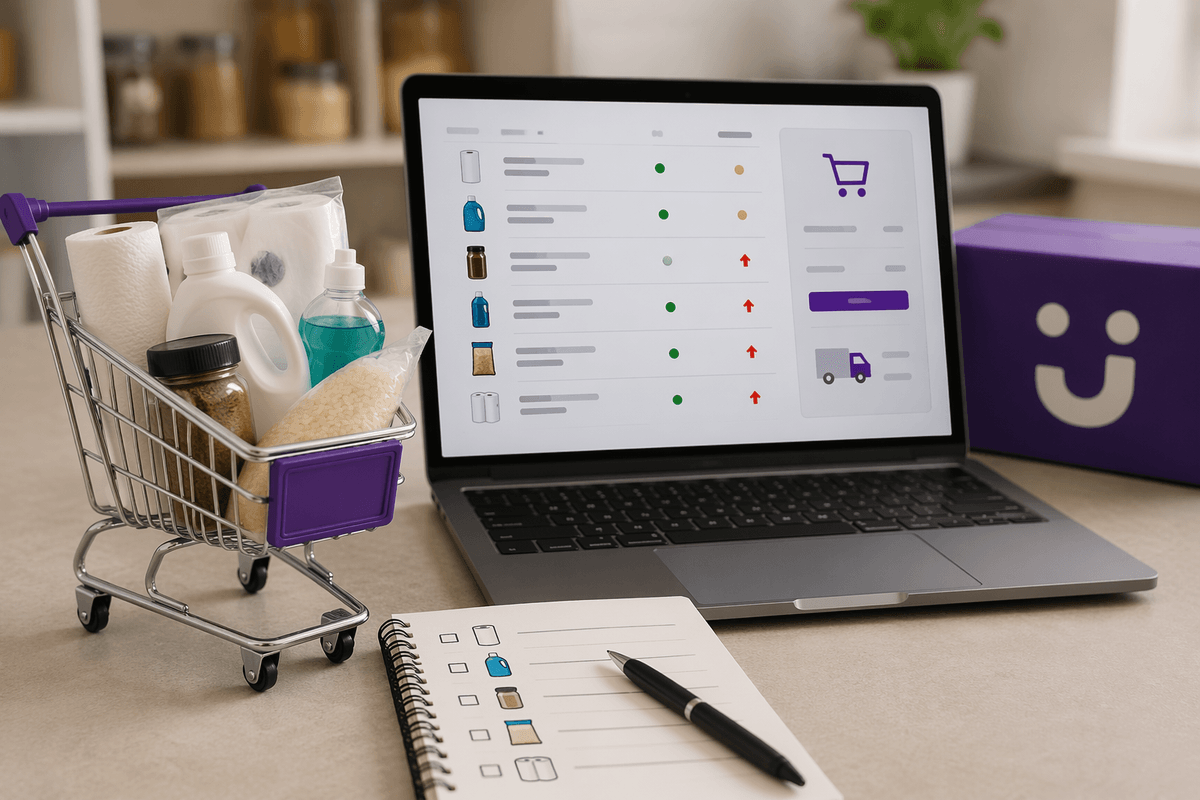
Once you’ve seen how the checkout numbers can drift, the next move is to stop “shopping” and start testing. That means building one restock list that stays the same month to month—items you actually repurchase, in the sizes you normally buy. Think coffee, paper towels, dish soap, rice, diapers, dog food. Skip anything seasonal, anything you’ll only buy if it’s on sale, and anything where brand doesn’t matter; the point is a steady baseline, not a perfect pantry.
The constraint here is substitution and pack-size creep. If you usually buy a 12-pack and the site pushes a 16-pack, you’ll feel like the unit price is better while your checkout total quietly jumps. Write down the exact product, size, and how often you reorder it, then cap the list at 12–20 lines so it’s fast to rebuild. This becomes the cart you can rerun in five minutes on different sites and on different days, without the result being warped by impulse adds or “deal” detours.
Watch prices move as you add items
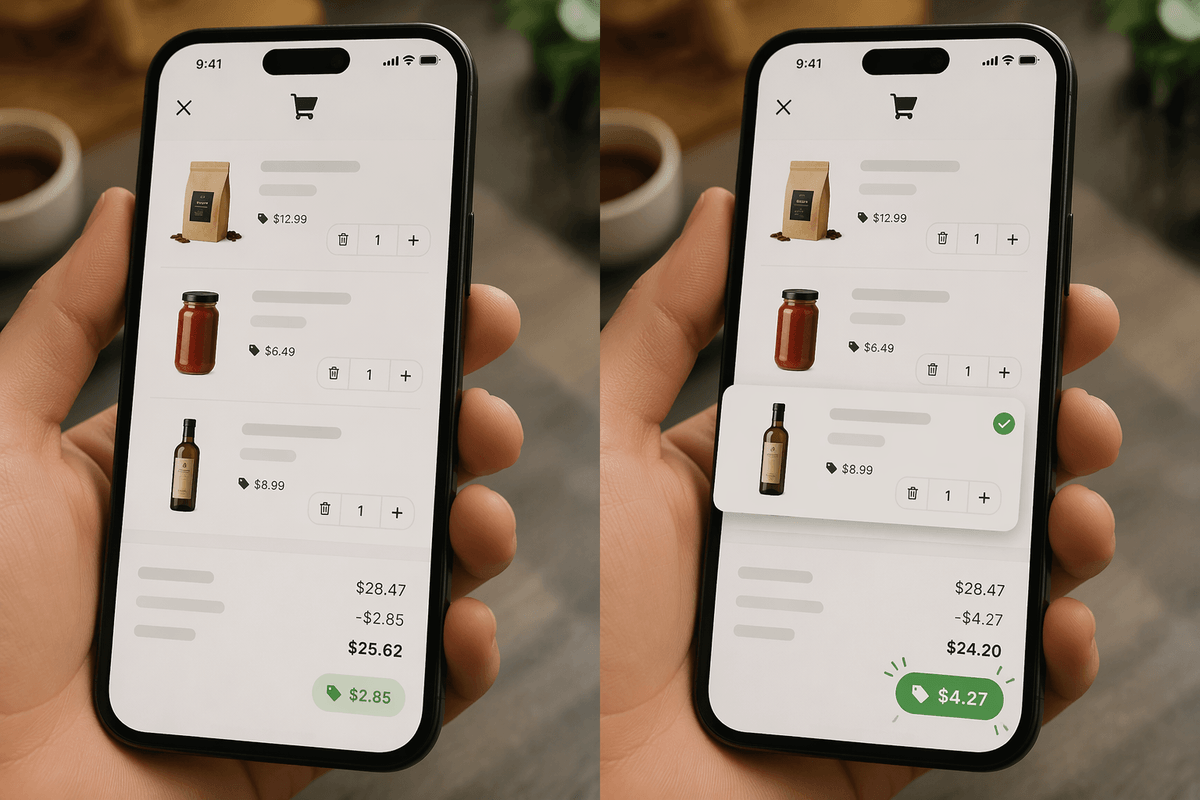
With that restock list in hand, the next surprise is how the cart behaves while you’re still building it. Add five essentials and the “you’re saving” badge looks credible; add three more and one of the earlier items ticks up, or a multi-pack replaces a single unit and the discount shrinks. Sometimes it’s a seller swap, sometimes it’s an auto-applied bundle, sometimes it’s just inventory thinning out in real time. The friction is that the cart feels stable until a late add quietly changes the baseline you thought you were comparing.
The clean way to catch this is to watch the cart like a moving receipt. Add items one at a time, and after every 3–4 additions, re-check the unit price and extended price of the first few staples (paper goods, coffee, detergent). If anything moves, note which item moved and by how much, then keep going anyway. The constraint is speed: most people rush and only look at the final total, but the pattern of which items drift tells you whether “dynamic savings” is helping your list or just reshuffling dollars.
Shipping thresholds and memberships reshape the deal
By the time the cart is mostly built, the pressure shifts from price tags to the line that says “Add $12.37 to qualify for free shipping.” That number doesn’t care whether the remaining items are things you actually need this week. It nudges the order toward extras, larger packs, or a “filler” item that isn’t part of your restock list, and suddenly the cart that looked cheaper is now comparing against a different basket. The constraint is cash timing: paying for surplus now to avoid a fee can still raise the month’s out-of-pocket, even if the unit price looks cleaner.
Membership math adds another twist. A monthly or annual plan can erase shipping fees, but only if your order cadence matches it. If you place one small order every couple weeks, the membership can quietly act like a per-order surcharge; if you consolidate into fewer, larger restocks, it can look like real savings. The friction is that it’s hard to notice because the fee isn’t attached to any one item. Treat shipping and membership as their own “product” in the cart: divide it by the number of orders you’ll realistically place, then see whether the per-order cost is smaller than the shipping you were avoiding.
Out-of-stocks, substitutions, and returns change totals
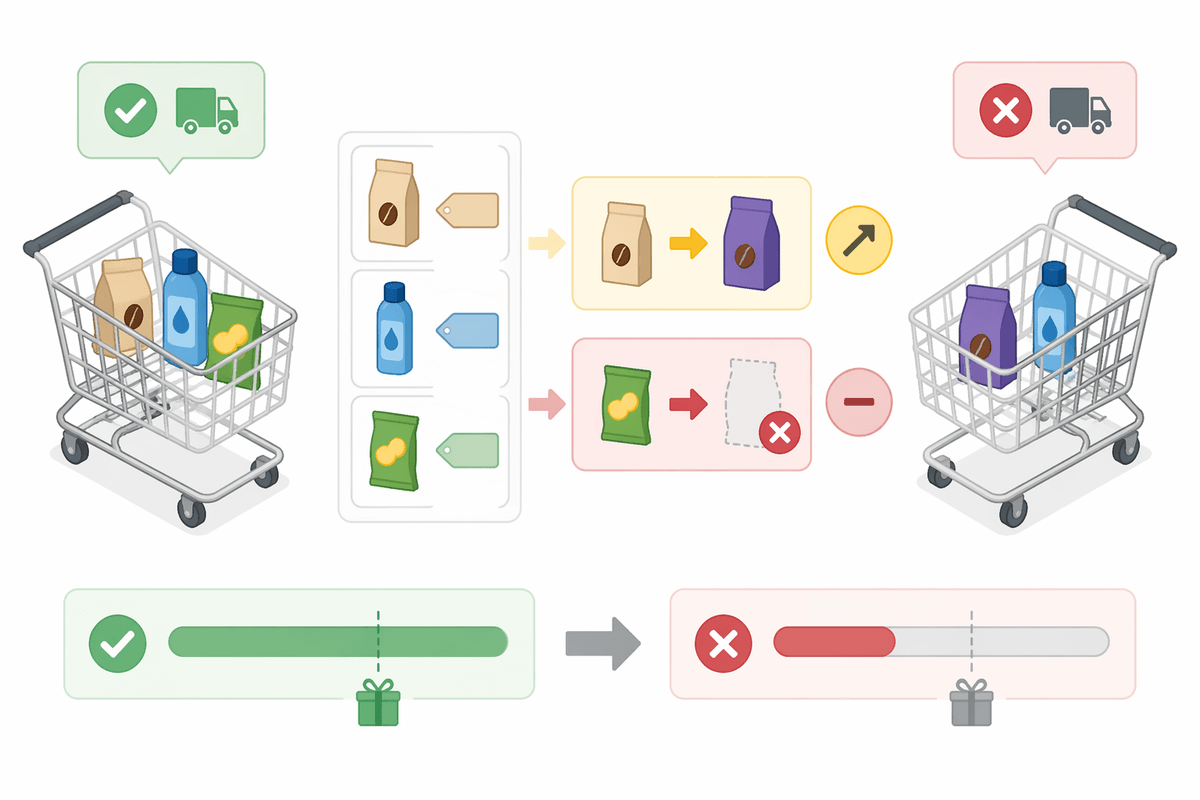
Even after the shipping math looks settled, the cart can still get rewritten by inventory. A staple goes out of stock between checkout and pick/pack, and the “closest match” is a larger size, a different scent, or a third-party listing with a higher per-unit price. If substitutions are on by default, the order total can creep up without feeling like a new decision. If substitutions are off, the order total drops—but now the free-shipping threshold or membership “value” you were counting on may evaporate, and a fee you avoided yesterday suddenly reappears.
Returns are where the savings story gets messy. A damaged item or wrong variant isn’t just an annoyance; it can lock up cash for days while the refund processes, and some marketplaces refund to credit or require photos and a return window you miss during a busy week. The constraint is time: track which items get swapped or refunded, and treat that friction like a cost when you judge whether the cart was truly cheaper.
Run a quick cart test against two rivals
Once the cart is behaving, it’s worth spending ten more minutes to see whether it’s “cheaper” or just “different.” Open two rival sites you’d realistically switch to (not a fantasy option), and rebuild the exact same restock list in the same sizes. Do it in one sitting so price moves and promos are comparable. The constraint is account status: log in, because free-shipping thresholds, subscriptions, or “member pricing” can change the checkout math.
At the final checkout screen (before placing the order), capture four numbers for each: item subtotal, shipping/fees, estimated tax, and any credits/discounts that require future behavior. Then mark any forced swaps—different pack size, third-party listing, or “out of stock” gaps. If one cart wins only after adding fillers to clear shipping, treat that as a different basket, not a clean victory.
Decide where Jet-style pricing actually fits
After two rival cart tests, the pattern usually shows itself: the “dynamic savings” model isn’t a permanent home base, it’s a rotation tool. If your restock list is heavy on shipping-friendly staples (paper goods, detergent, pet food) and you can reliably clear the free-shipping line without fillers, it can beat rivals on an ordinary month. If your list is smaller, brand-picky, or prone to substitutions, the checkout swings erase the headline discounts fast.
The fit becomes simple: keep one predictable order there only when the final checkout screenshot wins, and default everything else to the store that loses less when something goes out of stock. That’s still a decision—just not a promise.