When “more flavor” quietly overwhelms the tea
The first sip can feel normal—maybe even “better”—and then, halfway through the mug, the tea starts to disappear. What’s left is mostly vanilla, caramel, or fruit-candy notes, with a thicker sweetness that clings to your tongue. It can be subtle enough that you don’t clock it as “too much” until you notice you’re chasing the same punch tomorrow with an extra pump, a second packet, or a bigger pour.
That’s one of the quiet ways add-ins stack up: they don’t just change flavor, they change what your brain expects from a cup of tea. Strong aromas and concentrated sweet tastes can drown out tea’s lighter bitterness and tannins—the cues that usually say “this is enough.” When those cues get blurred, it may feel like the tea isn’t satisfying unless it’s upgraded, and the drink that used to feel steady starts to act more like a treat you can’t quite finish without wanting another.
And because the shift happens in tiny steps, it’s inconsistent. Some days it’s fine; other days you’re oddly thirsty, a little wired, or looking for a snack soon after—even though you “only had tea.”
Heavy sweeteners that blur taste and appetite cues
Sometimes it shows up as a small surprise at the bottom of the cup: a slick layer on your lips, a sweetness that keeps hanging around, and a faint “why am I still thinking about food?” feeling even though you just drank something warm. You might blame the tea—too weak, too bitter—when it’s really the sweetener doing most of the work, turning the drink into something your body reads more like a quick hit than a steady routine.
Heavier add-ins—flavored syrups, honey poured generously, sweetened condensed milk, powdered creamers, “boba-style” mixes—don’t just make tea taste sweeter. They can push sweetness intensity high enough that your usual stop-signs get quieter: the gentle bite of tannins, the simple satisfaction of warmth, the point where a mug feels complete. When that happens, it can be easier to overshoot what you meant to have, then notice a dip later that feels like sudden hunger, a snack hunt, or a second sweet drink that sounds unusually appealing.
A sweetened tea after a real meal may feel fine, but the same upgrade on an emptier stomach can land sharper—thirstier, more crave-y, sometimes with a faint headache or an “off” energy that makes you reach for more sweetness to smooth it out.
Acid additions that create sharpness and stomach burn
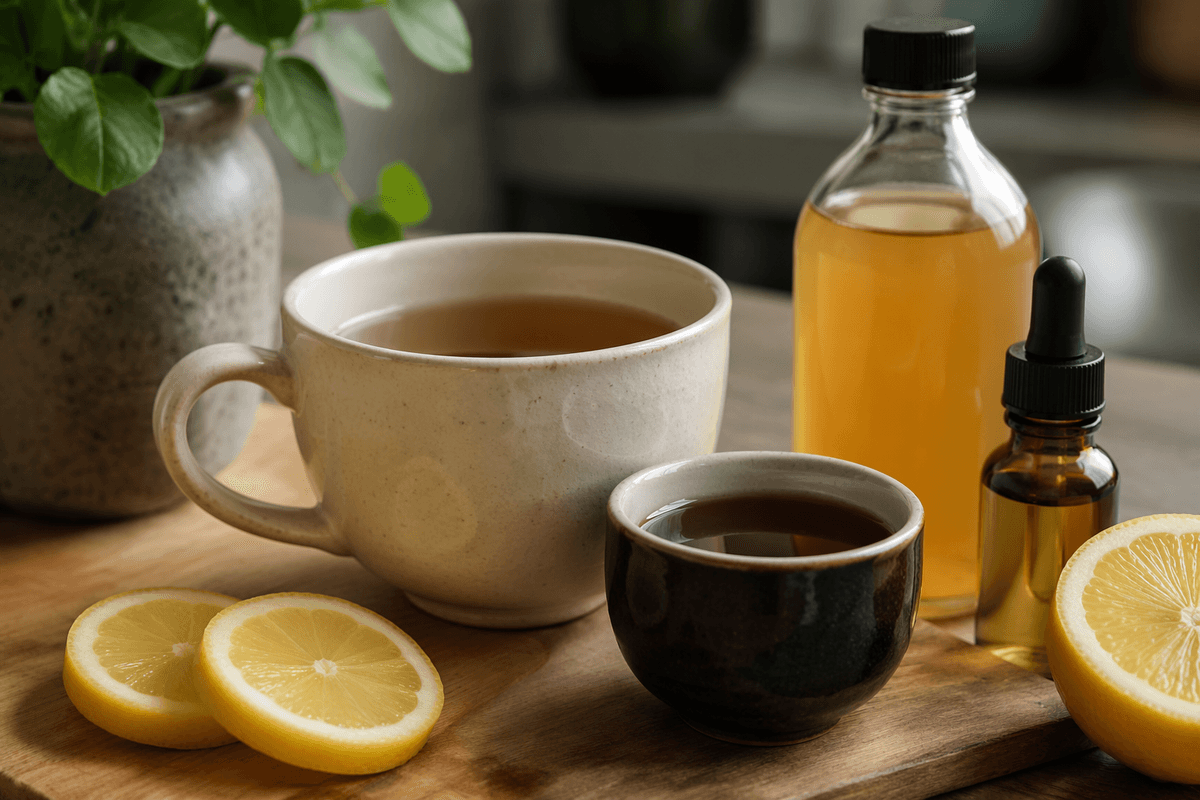
It can start as a “bright” squeeze—lemon, a splash of citrus concentrate, a spoon of apple cider vinegar—and then ten minutes later there’s a sting that wasn’t there at the first sip. The tea tastes cleaner and sharper, but your throat feels a little raw, your chest feels warm in a way you didn’t ask for, or your stomach has that hollow, fizzy irritation that makes you wonder if you suddenly can’t handle tea anymore.
Acid can do that: it lifts flavor fast, but it also lowers the drink’s pH and can make the whole cup feel more aggressive on sensitive tissue. In some situations—especially on an emptier stomach, after a long gap without food, or when the tea is already strong—the combination can nudge reflux-like sensations: sour burps, a burning line up the chest, or a “lump in the throat” feeling that shows up later rather than right away.
A little lemon in a larger mug may feel fine, but a smaller, more concentrated cup—plus extra citrus, plus a second round—can turn “refreshing” into “why does my stomach feel hot?” And once that pattern starts, it’s easy to chase it with more sweetness or cream to soften the bite, which can quietly change the whole routine again.
The milk-and-lemon problem that surprises people
You can taste it the moment it happens: the tea turns a little grainy, then slightly curdled-looking at the edges, like it can’t decide if it’s smooth or broken. A lot of people assume the milk “went bad,” even when it was fine in coffee that same morning. What changed is usually the cup—lemon (or another acid) meeting dairy in hot liquid, especially when the tea is strong.
Acid makes milk proteins clump, and tea’s tannins can add to that “chalky” feel. Even if you don’t see obvious curds, the mouthfeel can shift: thicker on the tongue, a little drying, oddly coating. For some people, that combination can land as stomach heaviness or a low-grade burn that feels like the tea itself is the problem, when it’s really the add-ins reacting and concentrating the sensation.
A tiny splash of lemon in a bigger mug might not do much, but a more concentrated cup—plus creamer, plus a brighter squeeze—can flip from soothing to unsettling in a few sips. When that happens, it’s easy to respond by adding even more milk or sweetener to “fix” it, and the drink quietly drifts further from the simple cup you thought you were having.
Spice overload that turns soothing into irritating

It usually hits around the third or fourth sip: a little warmth behind the nose, a tickle at the back of the throat, and then suddenly the tea feels “spicy” in a way that doesn’t match the cozy idea you had in mind. You might even cough once, or notice your lips feel faintly tingly, and it’s easy to tell yourself it’s just the tea being strong—until you remember the extra ginger scoop, the cinnamon dusting, the chai concentrate, or the “immune” blend you doubled because it tasted good yesterday.
Spices can be soothing in small amounts, but they’re also stimulatory by design. Ginger, clove, black pepper, and strong cinnamon-heavy mixes can make a cup feel hotter than it is, and in some people that can translate into a stomach that feels busy instead of settled—especially if the tea is already caffeinated or you’re drinking it on an emptier stomach. The sensation isn’t always obvious heartburn; it can be a slow-building chest warmth, a throat “scratch,” or a slightly nauseous edge that shows up after you’ve finished the mug.
One day the same blend feels grounding; another day it lands sharp, drying, or oddly jittery, and you start chasing relief with more milk, more sweetener, or a second cup. Over time, the tea can stop reading as “gentle” to your body—not because tea suddenly changed, but because the add-ins quietly did.
Supplements and extracts that complicate the cup
It often feels like a harmless shortcut: a scoop of collagen, a “greens” powder, a dropper of herbal extract, maybe an adaptogen blend that promises calm focus. The tea still looks like tea, but the sip turns oddly thick or chalky, and an hour later your stomach feels crowded—like you drank something heavier than you meant to. If it happens on a day you’re already a little run down, it’s easy to blame the tea itself, not the extra stuff riding along with it.
These add-ins can complicate the cup because they change how fast and how intensely your body has to process it. Concentrated extracts and pre-workout-style powders can bring their own stimulants (sometimes alongside caffeine that’s already in the tea), while fiber-heavy mixes and protein powders can slow the “lightness” you expect from a warm drink. The result isn’t always dramatic; it may show up as a tight, gassy feeling, a sudden need for water, or a wired-but-tired edge that doesn’t match the cozy ritual.
One day the blend feels fine after breakfast; another day the same combo on an emptier stomach lands as nausea, loose urgency, or a jittery afternoon that pushes you toward more sweetness to steady it. Over time, the cup can start acting less like tea and more like a rotating supplement stack—without you quite noticing when the switch happened.
Sweet “tea upgrades” that disrupt sleep and jitters
It’s usually later that you notice it: you’re tired enough for bed, but your body feels slightly “on,” like your feet want to keep moving. The tea itself didn’t seem that strong, and you may even have chosen something that sounded gentle—until you remember the vanilla syrup, the sweet foam, the matcha powder, the “energy” stir-in, or the second round you poured because it tasted easy to drink.
Sweet upgrades can blur the line between comfort and stimulation. A sugar-heavy cup can push a quick rise-and-fall that shows up as a brief lift, then an odd restlessness or a snack urge that sends you back for more—sometimes close to bedtime. If there’s caffeine in the base tea (or in a booster powder), that smoother, dessert-like taste can make it easier to drink faster and take in more than you meant to, which is when jitters, dry mouth, and a racing mind start to make more sense.
After a solid dinner, the same “treat tea” might feel fine; on a lighter day, it can land as a late-evening buzz or a 2 a.m. wake-up that feels unearned. When that pattern repeats, the cup can quietly teach your brain to expect both sweetness and activation from “tea,” even when what you wanted was something that let you wind down.