The receipt shock after a “quick” grocery run
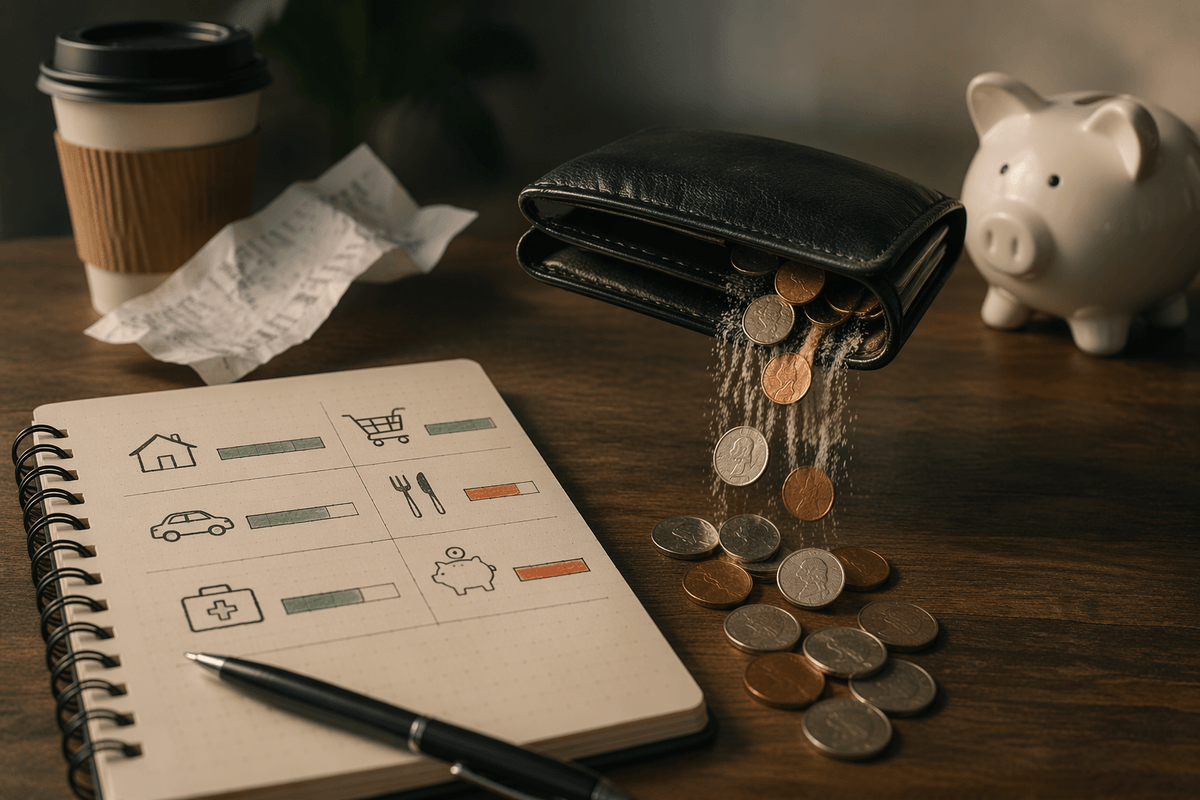
The plan is always the same: grab two or three things, get home fast, keep dinner easy. Then the total pops up and it feels like it jumped while you were standing in line. It isn’t one big splurge—just a handful of “might as well” items, a better brand than usual, and something convenient because the day ran long. The friction shows up later, when that extra $25–$40 has to come from the week’s gas, a bill buffer, or the debt payment that was supposed to happen on Friday.
After enough of these runs, the pattern gets predictable: walking in without a boundary turns the store into the decision-maker. Prices swing, portions don’t match the plan, and a quick trip becomes a quietly expensive one. The fix starts before the cart does—putting a hard limit on the trip so every choice has to compete with something else.
Set a trip limit before you choose items
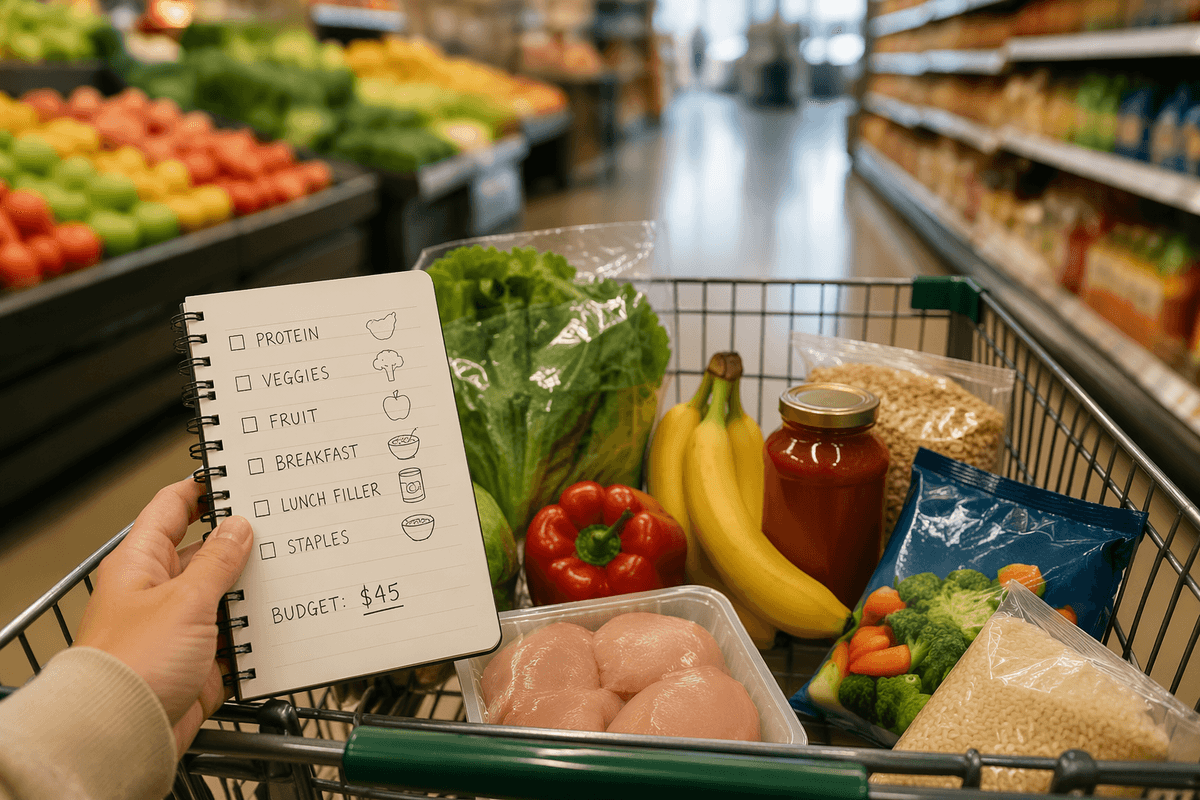
Before the first aisle, the number has to exist. Not a vague “spend less,” but a trip cap that matches what’s actually left after bills and the week’s other needs. If the budget is tight, I like a simple split: “must-haves” and “nice-to-haves.” For a midweek run, that might be $45 total, with $35 reserved for staples and $10 for flexibility. It feels restrictive for about thirty seconds, then it becomes a relief—because every upgrade is forced to be an explicit trade.
The key is timing: set the limit in the parking lot, not in front of the snacks. Use the store app or a note to track a rough running total. Round up as you go to build error room. When the tally bumps the cap, don’t negotiate with yourself—swap. Cheaper protein, store brand, frozen veg instead of fresh, or drop the “backup” item that would have become waste. The limit isn’t about perfection; it’s about keeping the trip from stealing from Friday.
Build meals around what you already have
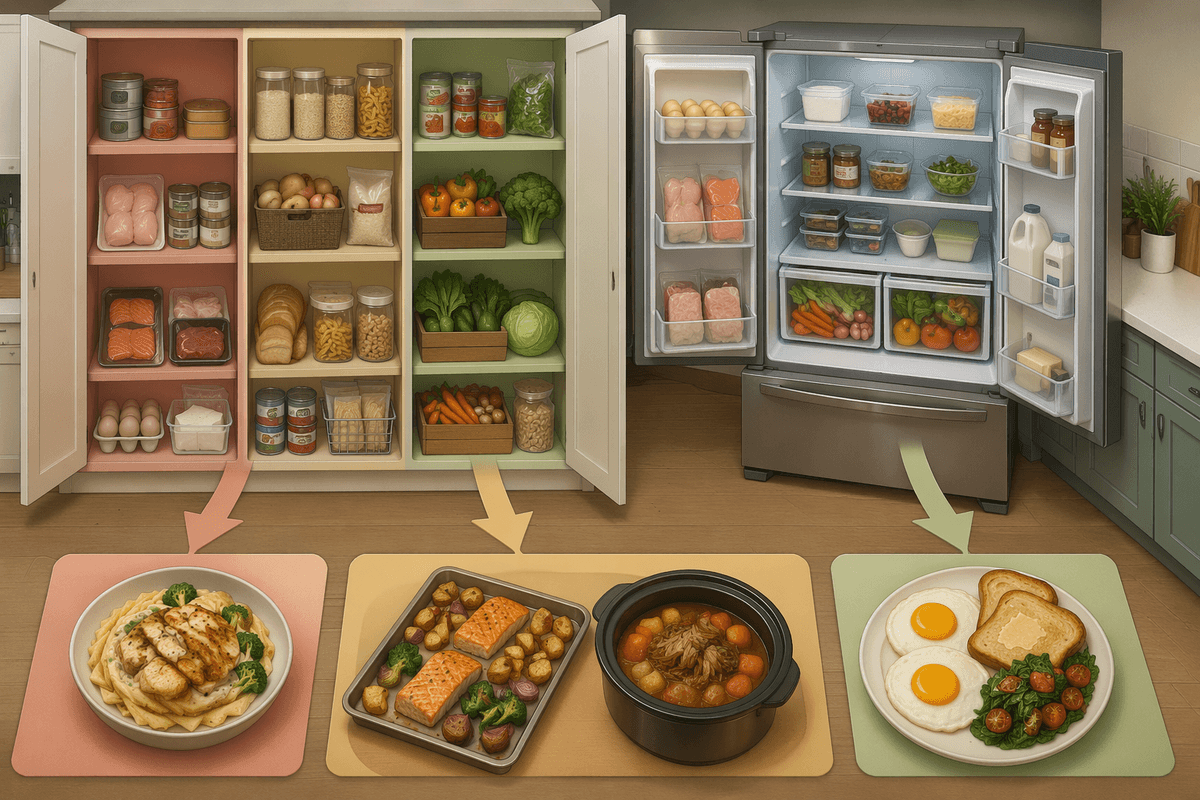
Once the cap is set, the fastest way to protect it is to stop shopping for “ideas” and start shopping for “missing pieces.” That usually means a five-minute scan at home before you leave: what proteins are already in the freezer, what carbs are sitting half-used, what vegetables are closest to going soft. The constraint is real—weeknights don’t tolerate a complicated plan—so aim for two or three repeatable dinners that reuse ingredients on purpose.
I keep it practical: one “stretch” meal (tacos, fried rice, pasta) that can absorb leftovers, one sheet-pan or slow-cooker meal that leans on frozen veg, and one quick breakfast-for-dinner option for the night everything goes sideways. Then the shopping list gets shorter: a sauce, a bag of onions, tortillas, a salad kit—whatever turns what you already own into actual meals. Less waste, fewer impulse add-ons, and the limit holds without feeling like punishment.
Write a short list that survives price swings
The list that actually works in a high-price week isn’t long—it’s built to bend. I write mine in “slots,” not brands: 1–2 proteins, 2 vegetables, 1 fruit, 1 breakfast item, 1 lunch filler, plus two staples I’m low on. Next to each slot, I add a fallback so I’m not stuck paying whatever happens to be pricey that day. Chicken becomes “any protein under $X,” broccoli becomes “any veg on sale or frozen,” berries become “bananas or apples.” That one extra line saves money because it prevents the in-aisle panic upgrade.
I also put a ceiling on the trouble categories—the ones that quietly blow the cap. For example: “snacks $6 max,” “drinks $0,” or “convenience freezer meal only if under $4.” If prices are wild, I’ll trade time for cash: whole chicken instead of cutlets, dry beans instead of canned, or a bigger bag of rice to cover two weeks. The goal isn’t variety every trip; it’s a list that stays usable when the store refuses to cooperate.
Use store layout to block impulse spending
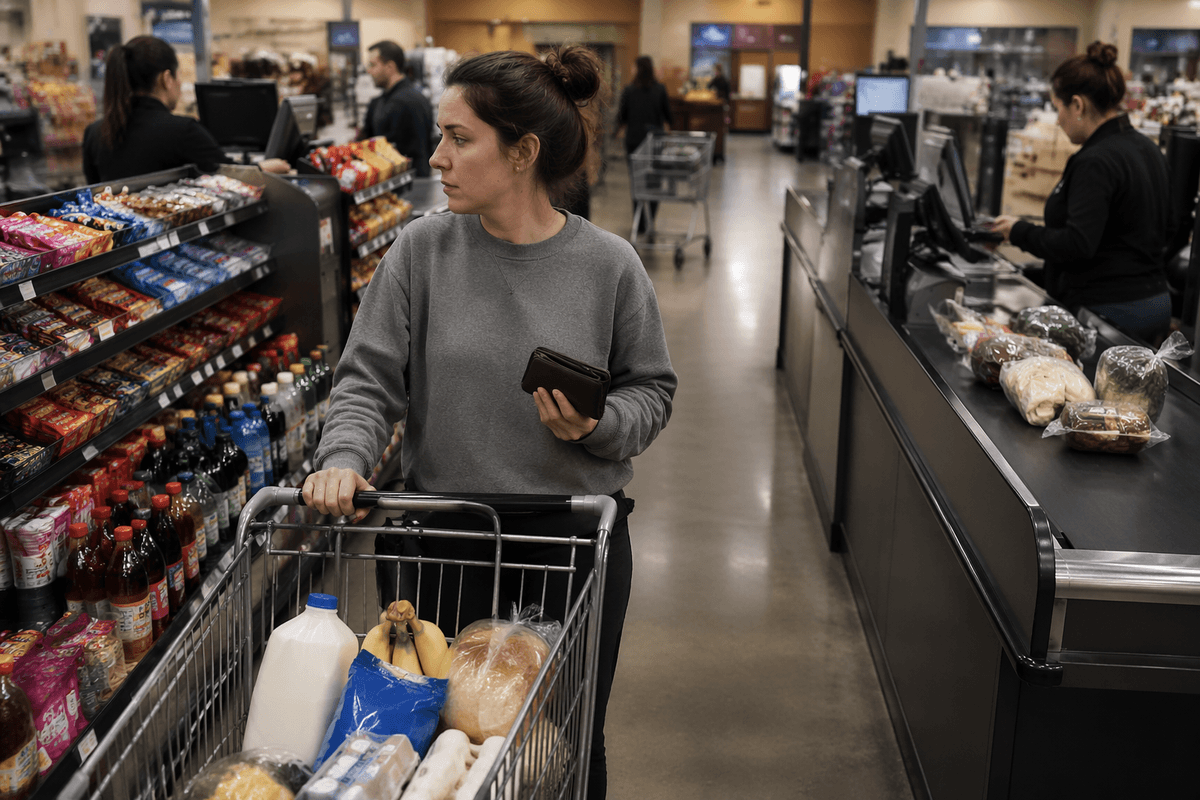
By the time the list is flexible, the next leak is physical: the store keeps offering “solutions” before you’ve even earned them. I treat the entrance like a trap—seasonal bins, bakery smells, endcaps stacked with deals that don’t match the plan. The constraint is time as much as money, so I run a simple route on purpose: produce for the few fresh items I actually need, then dairy, then protein, then pantry, then out. No wandering “just to see,” because that’s where the cart quietly gains a $12 detour.
Inside the aisles, I use the layout against itself. Endcaps are usually the impulse tax, so I shop from the middle of the aisle unless an endcap item is already on the list. I skip the “snack corridor” entirely unless snacks are budgeted; if they are, I grab them last with a hard ceiling. The biggest change is checkout: if the trip is on track, I choose a lane away from candy and single-serve drinks, because that’s where a tired brain spends your last $5 without asking.
Do a two-minute review before putting groceries away
At home, the last place the budget gets protected is the counter. Before anything goes in the fridge, take two minutes with the receipt and what’s actually in the bags. Circle anything that wasn’t on the list, and write a quick reason next to it—“hungry,” “looked like a deal,” “kid request,” “forgot we had it.” It’s not guilt; it’s data. If the total went over, pick one category to tighten next time (snacks, drinks, convenience). If it stayed under, note what worked so it isn’t an accident.
Then match food to time. If Tuesday is chaos, move the easiest protein to the front of the fridge, wash the salad now, and freeze anything you won’t touch in 48 hours. The constraint is waste: one forgotten produce bag can erase the savings you fought for in the aisle. The point of the review is simple—make the week easier so the next trip can be smaller.
Your next trip: smaller rules, bigger savings
On the next trip, don’t redesign the whole process. Keep two rules and let them do the heavy lifting: a clear cap and a short “slots” list with fallbacks. If the cap is $45, walk in planning to leave at $42—prices shift, scales vary, and that $3 cushion keeps you from “fixing” the total with a last-minute add-on that becomes waste.
Then make the win repeatable. Pick one friction point to remove for next time: snacks only on weekend trips, no drinks unless it’s a restock week, or one convenience item max if it keeps takeout from happening. The savings show up less like a dramatic haul and more like fewer emergencies—smaller carts, fewer forgotten items, and a grocery budget that finally stops borrowing from Friday.