The real choice: festival weekend or quiet Palanga
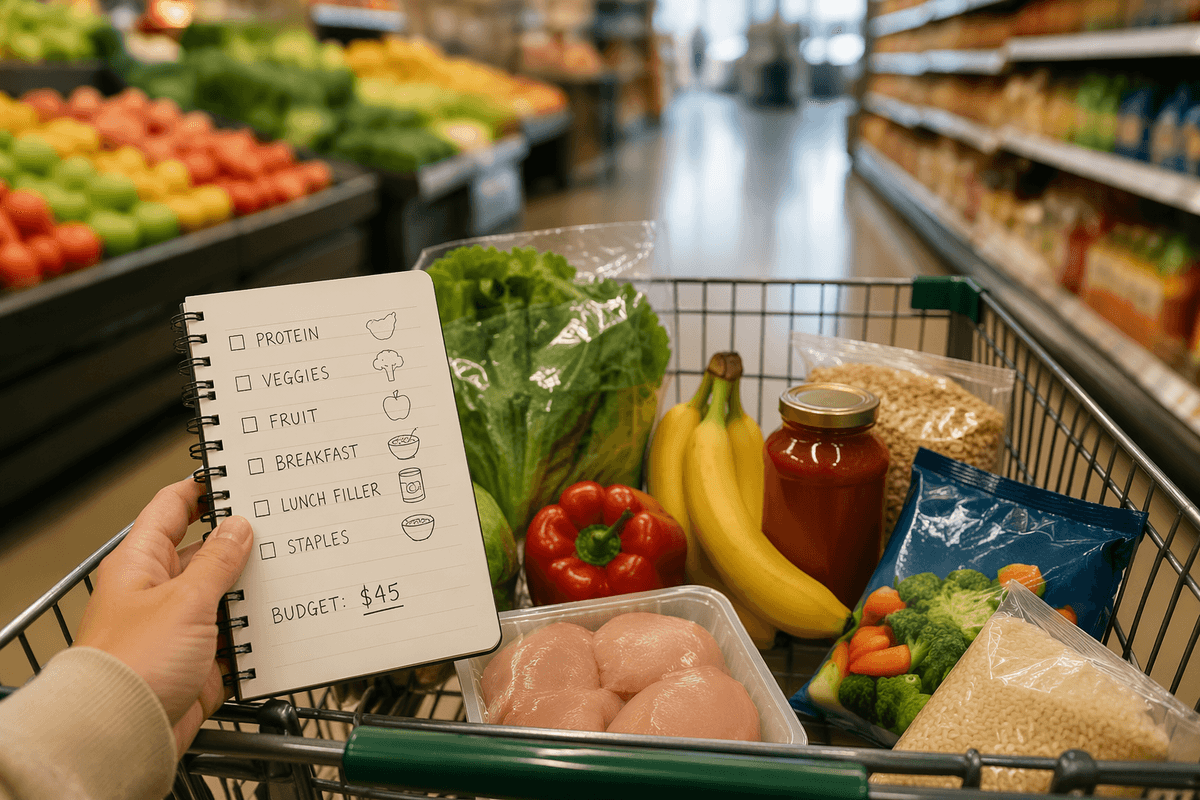
At 09:12 on Saturday, I paused on Vytauto gatvė with a coffee and a half-charged phone, trying to decide whether to follow the festival arrows or just cut straight to the sea. A volunteer was taping up a “start here” sign while a dad in sandals asked, a little too loudly, if you needed to “register somewhere.” That tiny hesitation is the real fork in Palanga: do you want a weekend that gently nudges you into activities, or one that lets you drift from beach to pancakes with zero deadlines?
Festival weekend feels like Palanga with a metronome. You’ll get more “ready-made” energy—warm-ups, kids milling around, something always about to start—but you trade away flexibility. If you book late, the mid-budget hotels and family apartments tend to climb first, and dinner queues can turn a quick meal into a 45-minute patience test (tweens notice). It works best if your kid likes trying new things even when the instructions aren’t perfectly clear; if they hate being watched or compared, the “everyone’s welcome” vibe can still feel like a mini-competition.
Quiet Palanga is the easier math: fewer choke points on Basanavičiaus, smoother bike-lane flow, and beach time that isn’t squeezed between start times. The downside is you’ll need to create your own structure—one planned activity, one long sand stretch—so the weekend doesn’t dissolve into aimless snacking. If you’re unsure, aim for a hybrid: arrive early, sample one low-gear event, then give yourself permission to bail to the dunes if it starts feeling like a crowd.
What the Sports for All Festival is
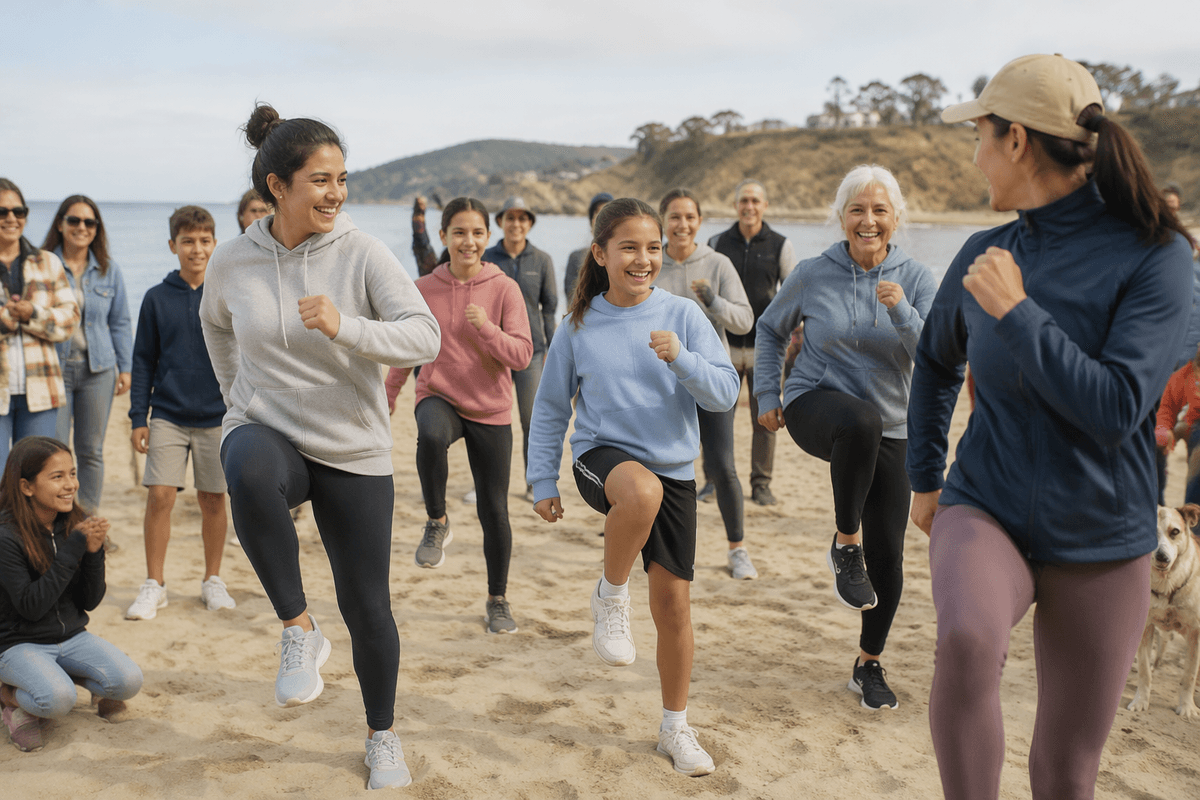
At 10:03 I stood behind the info tent, reading a printed schedule that looked simple until you noticed the tiny “registracija” notes in the margins. A teen volunteer circled two start times with a marker and then shrugged when I asked if we could just show up with beach shoes. That moment is basically the festival in miniature: welcoming in tone, slightly fuzzy in execution.
Sports for All is less one “event” and more a rolling menu of mini-activities spread across the usual Palanga hotspots—beach zones, parks, and whatever stage area is doing warm-ups. Some things are genuinely drop-in (group stretches, playful races, kids’ try-outs), while others quietly assume you’ll sign up early or at least arrive 20–30 minutes ahead to get a bib, waiver, or a spot. If you’re coming from Vilnius for two nights, that timing matters more than the distance.
Beginner-friendly usually means “you won’t be turned away,” not “it’s coached like a lesson.” It works best for a tween who’s fine copying what others do and laughing through the awkward bits; it’s tougher for kids who need clear rules or hate being watched. Gear is the hidden line: anything on sand is forgiving, but ball sports, SUP/kayak-style sessions, or longer runs can turn into a quick expense (or a quick sulk) if you assumed rentals would be plentiful when the crowd hits.
Pick your best festival style
At 11:27, we hovered by a clipboard table near the beach zone while a staffer repeated, “Last spots,” and my kid asked if sneakers counted as “proper shoes.” The line moved like airport security: fast until someone couldn’t find their ID, then stuck. It was the first time I felt the difference between an activity you can sample and one you’re committing to, even if the poster says “open to everyone.”
If you hate overplanning, aim for a “drop-in sampler” style: anything that looks like a group warm-up, short kids’ challenges, or open try-outs where you can join late and leave early without feeling like you’ve ruined a bracket. The best moments are often the first 10 minutes—before the crowd thickens and before your tween starts noticing who looks like they do this every weekend. This style works for a mildly sporty kid and a parent who’d rather keep the beach as the backup plan than the reward at the end.
If your tween loves a clear finish line, choose one “anchor” event that’s worth arriving 30 minutes early for (bib/waiver/briefing), then treat everything else as optional. That reduces the constant decision fatigue, but it does mean protecting a time window: missing a start because you got trapped in Basanavičiaus foot traffic feels worse than skipping entirely. On windy days, pick park or pavement sessions over anything that depends on sand setup; it’s less scenic, but it’s steadier.
Getting there, staying, moving around
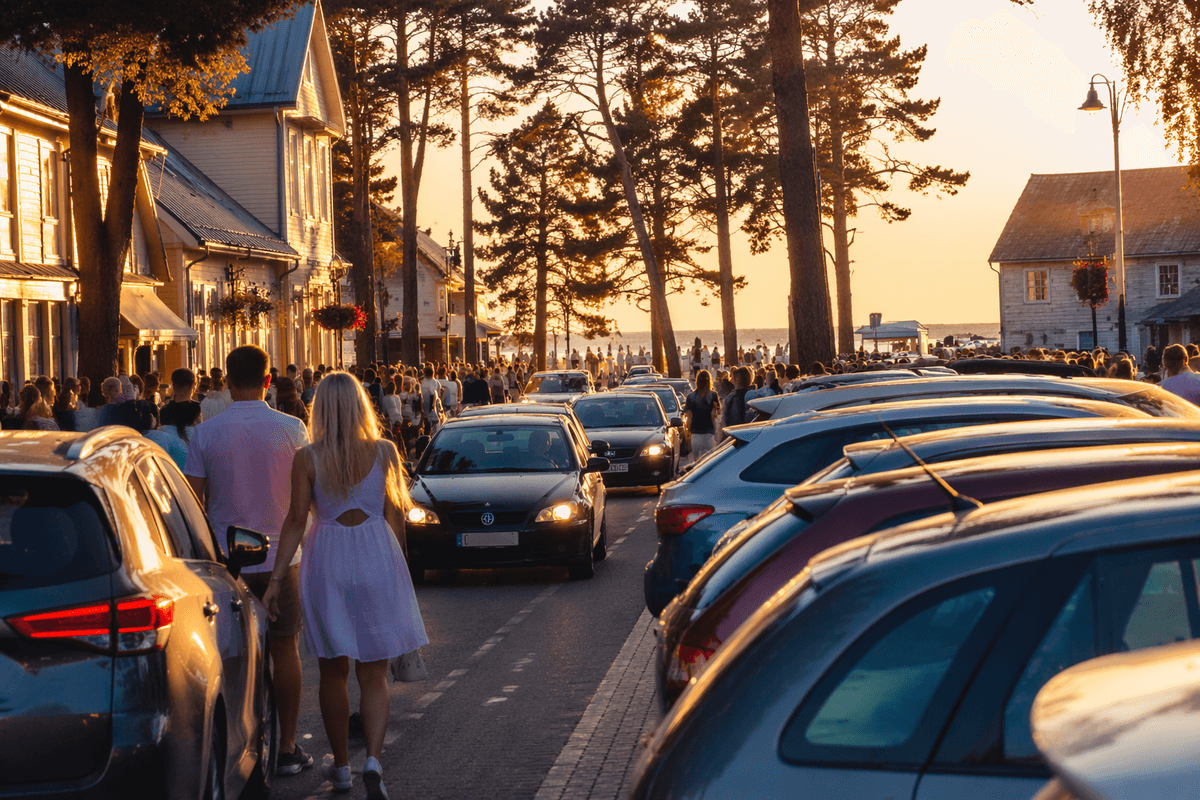
At 16:48 on Friday, I watched the Vilnius bus station board flicker between “on time” and “vėluoja,” holding two seat reservations and a tote bag that suddenly felt too optimistic. The bus is cheaper and calmer than driving, but your weekend gets boxed in by departure slots—miss one, and you arrive after the easiest “drop-in” activities have already filled. In a car you control the clock, yet you trade it for Palanga’s parking roulette, especially if you roll in around dinner.
For a two-night trip, the real money trap isn’t transport—it’s beds. Festival weekend tends to push mid-budget hotels and family apartments into either “minimum 2–3 nights” rules or awkward leftover rooms (great price, terrible location), so late booking works best if you accept a 10–15 minute walk to the beach instead of chasing Basanavičiaus proximity. A kitchenette is the quiet winner with a tween: one supermarket run beats standing in a 40-minute queue when everyone decides they deserve burgers at the same time. If your kid wakes early, pick somewhere closer to Vytauto/Vytauto park side; if they sleep in, nearer the sea keeps mornings from feeling like a march.
Moving around is easiest on foot or by bike, but bikes are a trade-off: fast on the paths, annoying in crowd clumps where you end up pushing anyway. I’d plan one “fixed-time” activity per day, then keep the rest within a single loop—lodging → beach zone → park—so wind, fatigue, or a sudden drizzle doesn’t turn into a logistics project. If you’re arriving late, choose a calm evening walk first and save the organized stuff for the next morning, when the whole town feels less squeezed.
If I had one day in Palanga
At 08:41, with sandy sneakers still damp from yesterday, I checked the wind on my phone and watched a line form at a kiosk that wasn’t even open yet. That’s the one-day problem in Palanga: you can’t do “a bit of everything” without the town doing a bit of scheduling back at you. If you arrive late morning, the easiest wins (quiet beach time, low-friction festival slots) get noticeably harder.
I’d start early with a simple loop: grab breakfast somewhere off Basanavičiaus, then go straight to the beach for a full, uninterrupted 60–90 minutes while the sand is still calm and you’re not negotiating space. Late morning is when I’d sample exactly one beginner-safe festival thing—group warm-up, short kids’ challenge, anything you can join without gear—and I’d treat any clipboard/waiver table as the “stop or commit” line. If your tween needs rules and coaching, pick a clearly structured session; if they just want to move, the looser stuff works better (and you can bail without drama).
After a quick supermarket lunch (cheaper than chasing a table), I’d do dunes or the park paths as the wind-proof alternative to “one more beach hour.” If the festival crowd feels fun, stay and watch; if it feels like a school PE lesson with spectators, take the quieter loop back. That’s the cue: chase energy only when it’s adding to your day, not turning it into a queue.
![6 Best Money Market Funds [Protect Your Savings in 2026]](static/image/2026/07/14/fc8225e7-a6f6-459f-8150-f54bd9c52f6f.png)